VALORANT design case study
Extending Casual Game Modes into a Continuous Social Loop
A continuous-lobby system that lets casual players stay together, vote on the next map and build familiarity across matches.
What helps strangers become a community inside VALORANT?
· 6 min read · 1 figure
1. Problem Statement
Much of VALORANT’s community engagement happens outside of the game on platforms such as Discord, Twitter, and Twitch. Players often rely on casual game modes such as Swift Play and Team Deathmatch to provide a social outlet, but these modes are too short and fragmented to sustain meaningful interaction.
Once a match ends, the group disbands and any sense of connection is lost, making it difficult for players to build lasting relationships within the client itself. As a result, VALORANT lacks a dedicated in-game space where players can casually interact, form bonds, and strengthen their sense of community.
2. Analysis
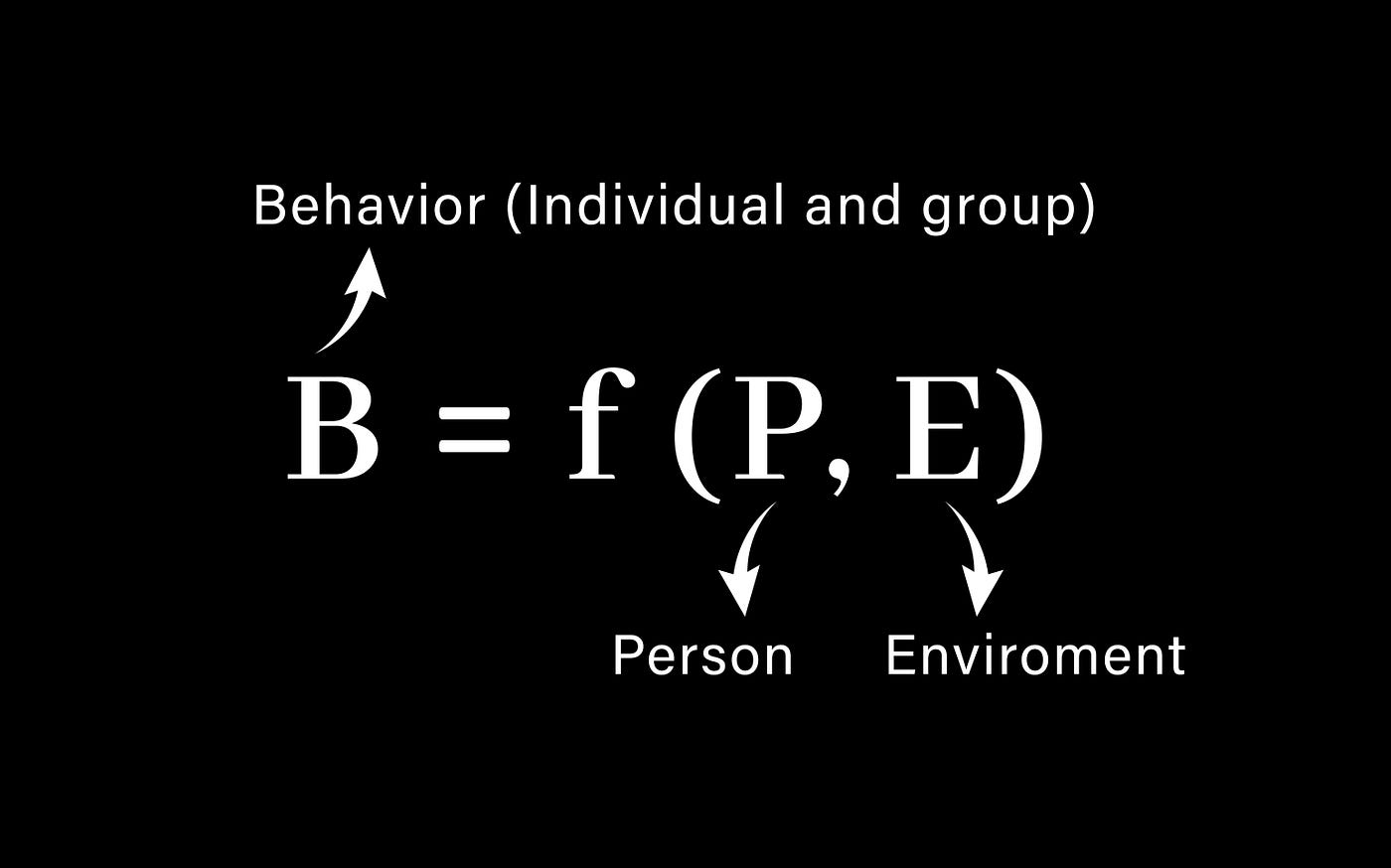
Riot’s Player Dynamics Design framework emphasizes that the structures around play shape behavior as much as individual intent. As Weszt Hart, Head of Player Dynamics, explains, the goal is to “foster more rewarding social experiences and avoid harmful interactions from the jump”. This principle draws on Lewin’s Behavior Equation (Figure 1), highlighting that if designers change the environment, they can directly influence the likelihood of positive or negative social interactions.
Current casual modes like Swift Play and Team Deathmatch are designed as low-pressure outlets, but their short, fragmented nature ends connections before they can grow. A single 10–15 minute match rarely creates the conditions needed for players to relax, talk, and form bonds, which is why much of VALORANT’s community engagement has shifted to external platforms such as Discord and Twitch.
By contrast, games with persistent or community-hosted servers have historically created stronger in-game social ecosystems. Titles such as Minecraft, Counter-Strike, Roblox, and Team Fortress all benefited from dedicated servers that acted as familiar spaces players could return to repeatedly. These environments became social anchors, where regular groups, shared playstyles, and consistent atmospheres fostered loyalty and friendships that extended well beyond a single session. Research on Minecraft servers, for example, shows that these persistent worlds often provide safe and nurturing communities that encourage players to return not just for gameplay, but for social connection as well (Woodbridge, 2017).
The lesson is clear: when continuity exists in the play environment, social bonds form more naturally, and the community flourishes within the game client itself.
3. Range of Solutions
Building on the analysis, there are multiple approaches Riot Games could take to strengthen VALORANT’s in-game community spaces.
Of these approaches, extending casual modes into continuous lobbies is the most practical and impactful. It directly addresses the lack of persistence that prevents social bonds from forming, while avoiding the heavy technical and moderation challenges of community servers or cross-team voice. This makes it the strongest candidate for improving VALORANT’s in-game social ecosystem.
4. Design Details
The proposed solution extends casual games into continuous lobbies that persists beyond a single match. After each game concludes, the lobby transitions into a lightweight vote screen where players can select the next map.
From a player’s perspective, the flow feels natural: the match ends, a results screen is shown, and instead of dissolving, the lobby moves into a map voting phase. The UI remains simple and familiar, presenting map options along with buttons to 1. Stay with Lobby or 2. Leave. This creates a loop where groups can continue playing together with minimal friction, while still respecting player agency.
To ensure a safe and positive environment, the system includes multiple safeguards aligned with Riot’s Player Dynamics philosophy:
- Opt-out every game: No one is locked into a lobby; players can leave freely after each match.
- Report and mute persistence: Any muted or reported players remain muted/reported across the loop, preventing repeated negative interactions.
- Backfill logic: If multiple players leave, the matchmaking system quickly fills the slots from the Swift Play queue, minimizing downtime.
Edge cases are also addressed to maintain fluidity. If fewer than three players remain in a lobby, it automatically dissolves to prevent uneven matchmaking. In the event of tied map votes, the system defaults to a random choice among the highest-voted maps. Disconnects are handled by allowing re-entry into the same lobby within a short time window, ensuring that accidental drops do not disrupt continuity.
5. Summary
In summary, extending VALORANT’s casual modes into continuous lobbies provides a lightweight yet impactful way to bring the community back into the client. By giving players the option to stay together across multiple games through a simple map voting system, Riot can create a persistent social environment that strengthens bonds, increases session length, and reduces reliance on external platforms like Discord. Supported by Player Dynamics principles and lessons from persistent servers in other games, this design enhances VALORANT’s in-game ecosystem while staying aligned with Riot’s player-first philosophy.
References
The writing and figures are carried forward from the original 2025 VALORANT design portfolio. This wireframe changes their presentation, not the underlying proposal.